What Is AEO?

What Is AEO

The Big Idea

AEO for Charleston Businesses
Why AEO Is the Next Frontier — And How Charleston Firms Can Use It to Capture MOF & BOF Intent

AI Overview Example

What is AEO — and Why Is it the Next Frontier?
Search is shifting to AI answers.
AEO helps your content get cited and surfaced in ChatGPT, Google AI Overviews, and Bing Copilot — where decisions now happen.
AEO vs SEO: What’s Different?

  • AEO defined: Structuring your content so AI engines can cite, summarize, and surface it directly in answers — not just rank it in search results.
  • Why it matters: Users get answers without clicking. If you aren’t in those summaries, you’re invisible.
  • How it connects: SEO is still essential (quality, architecture, authority). AEO builds with FAQs, schema, comparisons, and trust signals.
SEO makes you findable. AEO makes you usable.
Charleston business meeting

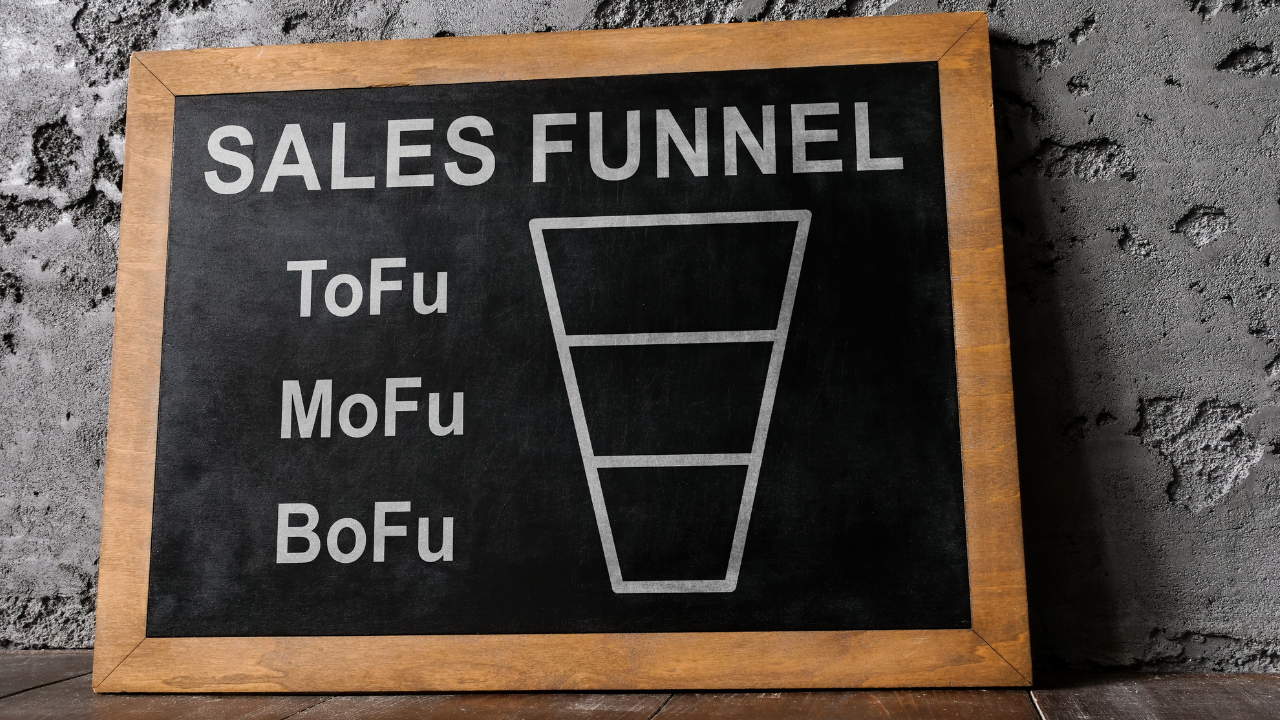
Why MOF & BOF Content Needs AEO
MOF
(Middle-of-Funnel)
BOF
(Bottom-of-Funnel)
Prospects compare options, proof-point questions — want clarity on ROI, features, use cases. Making final decisions: pricing, case studies, demos, objections. AI answers ≫ credibility → conversions.
A Charleston-Friendly AEO Framework
1
Map Intent & Audit — Gather real questions (People Also Ask, ChatGPT, sales calls). Audit MOF/BOF assets – do you provide direct, structured answers?
Metric: % content aligned with top prospect questions.

2
Create Structured Content — Publish FAQs, comparisons, pricing, case studies. Use clear headings, bullets, tables + add schema.
Metric: Frequency of citations in AI answers/snippets.

3
Distribute & Amplify — Repurpose into Q&A snippets, LinkedIn posts, chatbot formats. Push via CRM & email.
Metric: Referral traffic/mentions from AI-sourced content.

4
Optimize & Iterate — Track assets driving demos/deals; A/B test FAQ/video; monitor AI overview results.
Metric: Conversion rate from optimized MOF/BOF content.

Common AEO Mistakes to Avoid
  • Writing “chatty” unstructured copy
  • Ignoring BOF assets like pricing/objections
  • Over-optimizing for AI, losing human readability
  • Not measuring leads or sales impact
Quick fixes:
– Add FAQs and comparison tables to key pages.
– Implement FAQ/HowTo/Article schema.
– Make outcomes obvious: demos booked, deals closed.
Charleston Example: Systems Integration
Company: Charleston Systems Integration (automation provider)
Intent mapping: ROI, regulatory, training details.
Content:

  • ROI FAQ with Charleston case studies
  • Comparison guide: “Automation vs Semi-Automation”
  • Pricing + service tiers page

Distribution: LinkedIn, local forums, newsletters
Optimization: A/B testimonial video vs text, track demo requests
Result: Not just in search—shows in AI-generated answers where decisions are made.

What This Means for Charleston Marketers
  • Skills: Structured writing + schema literacy
  • Budget: More to repurposing & amplification, less to pure link-building
  • Metrics: Visibility & authority over raw clicks
Competitive edge: Charleston early adopters gain trust and top-of-mind awareness faster by being cited in AI answers.
Final Word
AEO isn’t optional. Winners map real questions, structure content for humans & AI, and measure conversions—not just traffic. Start now; tomorrow’s answers might not be yours.
Talk to a strategist

AEO FAQs
Is AEO replacing SEO?
No. AEO builds on SEO. You still need quality content and clean architecture; AEO adds structure so AI can cite your answers.
Where should we start?
Start at MOF/BOF. Add FAQs, comparisons, and pricing clarity to pages that drive demos and deals.
Which schema is most useful?
FAQPage, HowTo, Product/Offer, and Article — depending on page type.
How do we measure success?
Track citations/mentions in AI answers and the conversion lift from optimized pages.

Zero Click Search

The Rise of Zero-Click Search: 5 Actions You Can Take RIGHT NOW

Why this matters now

“Nearly 65% of searches now end without a click.” If you rely on clicks alone to fuel funnels, you’re falling behind. Be the answer.
Google AI Overview explaining zero-click searches—answers shown on the results page without a site click
Example: AI Overview/featured snippet answering directly on the SERP (zero-click).
What’s changing

Search engines and AI models act as the middleman. Users get answers earlier—often on the SERP.

The risk

You lose pageviews even when your content is used. Visibility ≠ clicks.

The opportunity

Own snippets and answer boxes to gain brand equity, trust, and demand—then earn the deeper click.

5 moves to dominate in a zero-click world

1

Answer Box

  • Lead with a one-sentence answer.
  • Use bullets, steps, short tables.
  • Define terms at the top.
Snippet-readyPAA-friendly
2

Schema

  • FAQ for Q&A blocks.
  • Article / HowTo / List schema.
  • LocalBusiness: NAP (address, hours, services).
Machine-readableAnswer eligibility ↑
3

Voice

  • Conversational phrasing (“how to fix leak near me”).
  • Question H2/H3s; FAQs like natural speech.
  • Local + intent (“…in Charleston”).
Assistant-readyLong-tail win
4

Deep Answer

  • Give the snippet answer, then tease depth.
  • Answer → Context → Example → Next steps.
  • Anchor links keep detail onsite.
Scroll-to-learnBounce ↓
5

Monitor

  • Track snippet/PAA queries in GSC, Ahrefs, SEMrush.
  • List & refresh winning zero-click pages.
  • Maintain a freshness cadence.
Freshness cadenceSpin-off content

Key takeaway

Zero-click isn’t the end of traffic—it’s the evolution of visibility. Become the answer, then earn the deeper click with compelling next steps.

Go deeper

Get the full zero-click & AEO tactics, structured data playbook, and snippet-winning templates.

Quick on-page layout

  • Top: 1-sentence answer + definition
  • Middle: bullets / table / steps
  • Bottom: examples + next steps + anchors

📘 FAQ: Zero-Click Search & AEO

What is a zero-click search?

A query answered directly on the SERP—via featured snippets, knowledge panels, PAA boxes, or local packs—so no site click is needed.

How do you optimize for AEO?

Prioritize clarity, structure, and schema. Answer conversational questions, use lists/tables, and map content to user intent.

Will zero-click reduce my traffic?

Possibly at first—but brand visibility and trust rise. Tease deeper content and convert scanners into readers.

What content types win?

Short FAQs, “how-to” lists, definitions, comparison tables, and structured guides: snippet-ready up top, detail below.

Talk to Us


SEO marketing

10 SEO Mistakes to Avoid

10 SEO Mistakes to Avoid

Search engine optimization (SEO) is crucial to building your brand and growing your business in 2020. As the use of technology has significantly increased over the last decade, so has the use of Google’s search engine. According to Statista, in April 2020, online search engine Bing accounted for 6.25% of the global search market, while Google had a market share of 86.02%. Additionally, in 2017 Google was responsible for driving 35% of all website traffic. 

SEO best practices are constantly evolving, as is Google’s algorithm. It is essential to not only continually monitor your website SEO conversions, but also continually optimize. There are a lot of intricacies surrounding search engine optimization, and it is easy to feel overwhelmed with what best practices to use. Today, lets discuss common SEO mistakes and how to avoid them.


1. Not meeting search intent 

It is important that the reader achieves what they’re looking for when visiting your page. If their needs are not met, your SEO ranking will be negatively affected.  Google ranks your site based on trust & value. This trust is established by behavior that shows your visitors find what they are looking for.


2. Writing at a high reading level

This is something that I personally struggle with every time I write a blog. As a writer, it is easy to forget that not everyone loves long, intricately structured sentences with fancy words like you. Not everyone, meaning Google.  Ideally, Google wants to see that your page is readable to anyone who visits it. This means keeping sentences short, and using words that everyone understands.


3. Outdated SEO techniques 

If you’re familiar with search engine optimization already, you know just how quickly the techniques can change. Google’s algorithm is constantly changing. It is important to understand the important SEO insights as they actively change. Here is a good list of 9 SEO insights you must follow right now.


4. Unclear SEO goals

Just as any marketing practice, without a strategy there is no way to measure your success or reach your goals. You should establish an overall SEO strategy, as well as a strategy for individual campaign initiatives. If you’re new to building an SEO strategy, I highly recommend checking out this article by marketing expert Drew Fortin.


5. Ignoring conversion data

Measuring the success of your SEO is extremely important. The primary goal of your search engine is to drive traffic to your company website. More specifically, the goal is to target relevant customers. Someone who is already interested in a product or service your company provides is more likely to convert. Without measuring your conversions, you have zero ability to measure the effectiveness of your SEO strategy. Here are some helpful tools to audit and monitor your SEO.


6. Using only text content

If you’re new to SEO optimization, text-only content is dead. It is more important than ever to include imagery and/or video in blogs, emails, and other means of content. According to comscore, adding video to your website can increase the chance of a front page Google result (SERP) by 53 times. Video increases customer attention, therefore leading to higher engagement. This Vidyard article is a great example of the benefits of video marketing.


7. Not good for mobile

Over 50% of users use their phones to view websites and open emails. Google search ranking practices Mobile-first indexing, meaning that Google predominantly uses the mobile version of the content for indexing and ranking.  Because of the shift in web traffic being driven by mobile users, new websites (built since 2019) are indexed mobile first. Keep this in mind when building your landing pages and blogs!


8. Not enough attention to your headings

Headings and subheadings are important because they make your page or article easier to read; thus, increasing your SEO value. The reader should be able to find what they’re looking for quickly. Otherwise, they will leave your page. Making minor changes to the text in your headings won’t directly affect your SEO value. Rather, it is the effect on the overall structure of the page. Use headings as signposts, and the text below to describe what they’re about. Applying structure and making the page easy to read for customers will help Google understand your page better, too. 


9. Writing for Google & not your audience

It is easy to lose sight of the purpose of the blog article or landing page you are building and cater specifically to SEO rankings.  As important as it is to keep search engine ranking top of mind, it is essential that you write for your audience and not Google. If you’re using a platform like WordPress, I highly recommend using the Yoast SEO plugin. Once you’ve begun utilizing Yoast, write FIRST for your audience and THEN integrate the SEO optimization. Yoast will provide a detailed list of SEO suggestions, and rank your blog or landing page accordingly. Ultimately, real people are who you are trying to reach and convert into revenue, not Google (sorry, Google).


10. Helpful content

This is one of the strongest marketing trends for 2020. With the current state of the world and the economy, it is more important than ever to produce helpful, educational content. If you are producing something to sell to your clients, you’re going to turn away potential clients before they can even decide if they want to buy with you. Your communication should come from an empathetic and honest place. However, don’t ignore the elephant in the room. Try new + creative email campaigns geared towards providing your clients with helpful resources.


Website Redesign

5 Reasons it’s Time for a Website Redesign

A website is every business’ online front door. It’s the first thing people see when they arrive at your doorstep looking for more information about your products and/or services. Once your site loads, it takes .5 seconds for users to form an opinion about your overall brand. Needless to say, you need to make sure your website is visually pleasing and provides a quality user experience from the get-go.
Continue reading