
5 Ways Charleston Businesses Can Win Cyber Monday and Gifting Season
Charleston businesses can dominate Cyber Monday and the holiday gifting rush by pairing urgency-driven offers with “shop local” storytelling that feels distinctly Lowcountry. Here’s how to stand out—even when you’re not the cheapest option on the page.

1
Create Real Urgency Without Feeling Spammy
What it looks like:
Use concrete, limited offers paired with countdown timers on your homepage, email headers, and SMS reminders.
Why it works:
Shoppers need multiple touches on Cyber Monday because inboxes get buried fast. A teaser on Sunday, a launch email Monday morning, and a “last call” SMS in the evening keep your brand top of mind without overwhelming customers.
Charleston angle:
Frame your urgency around local impact—”First 50 orders get free King Street delivery” or “Today only: Support local and save 25%.”
Pro tip:
Stack reminders across channels but keep each message short and action-focused. Avoid vague language like “limited time”—be specific with “Ends at 11:59 PM tonight.”
2
Gamify Your Promos to Boost Engagement
What it looks like:
Add spin-to-win discount wheels, mystery discount codes, or “pick-a-box” surprise gifts directly on your site or social channels.
Why it works:
Interactive elements increase time on site and make the shopping experience memorable. Contests asking followers to tag a Charleston friend or favorite local business create organic reach and community buzz.
Examples:
- Instagram story poll: “Which deal do you want us to drop first?”
- Spin-to-win popup: prizes range from 10% off to free local delivery
- Tag-a-friend giveaway for a Charleston restaurant + retail combo gift card
The data:
Gamified experiences can boost engagement rates by keeping visitors on your page longer and encouraging social shares.
3
Turn Shoppers Into Insiders with Loyalty Perks
What it looks like:
Give email subscribers, SMS opt-ins, or loyalty program members early access—an extra hour before public sale, a better bundle, or an exclusive free add-on.
Why it works:
Exclusivity builds brand affinity and rewards your most engaged customers. It also helps spread traffic across Cyber Monday rather than creating a single rush.
Charleston hook:
Position your loyalty offers as “locals-only” or “Holy City VIP” access. Reference community events like Small Business Saturday or “Shop Where You Live” campaigns to reinforce that shopping with you keeps dollars in Charleston.
CTA example:
“Join our text list for first access Monday at 6 AM—before everyone else.”
4
Build Gift-Ready Shopping Experiences
What it looks like:
Create dedicated gift landing pages with clear categories like “Gifts Under $25,” “For Foodies,” “For New Charlestonians,” or “Lowcountry Favorites.” Feature these in paid ads, email campaigns, and pinned social posts.
Why it works:
Holiday shoppers are overwhelmed and time-crunched. Curated gift guides reduce decision fatigue and help customers check multiple people off their list quickly. Bundles feel like strong value even in tight-spend years.
Must-haves:
- High-quality product images for each gift option
- Clear pricing and any bundle discounts (“Buy 3, save 20%”)
- Easy add-to-cart from the guide page—no extra clicks
Bonus:
Highlight gift bundles with Charleston themes—think “Lowcountry Pantry Essentials” or “King Street Style Starter Pack.”
5
Capture the Last-Minute Rush with Clarity and Convenience
What it looks like:
Clearly communicate shipping cutoff dates on your homepage, in email footers, and via SMS. Offer perks like free shipping, curbside pickup at your downtown or West Ashley location, or same-day local delivery right up to the deadline.
Why it works:
Procrastinators make up a significant portion of holiday shoppers. If you make it easy to get gifts on time, you’ll capture sales that would otherwise go to Amazon.
Execution checklist:
- Add a countdown timer: “Order by Dec 20 for Christmas delivery”
- Send SMS reminders: “Final hours for free shipping!” or “Curbside pickup available until 6 PM”
- Promote local pickup/delivery once national shipping windows close
- Use urgent but friendly language: “Don’t panic—we’ve got you covered”
Charleston advantage:
Emphasize hyper-local delivery zones (peninsular Charleston, Mount Pleasant, West Ashley) to differentiate from national competitors who can’t deliver same-day.
Your Cyber Monday + Gifting Checklist
Before you launch, make sure you’ve covered:
- ✅ Uploaded PPC ads early to avoid review delays
- ✅ Prepped email sequences (Sunday teaser, Monday launch, evening reminder)
- ✅ Set up SMS alerts for flash sales and shipping deadlines
- ✅ Created gift landing pages and linked them in all campaign assets
- ✅ Ensured consistent messaging across email, social, SMS, and paid ads
- ✅ Staffed customer service 24/7 during peak sale periods
- ✅ Added countdown timers and urgency messaging to your homepage
Shop Local, Win Big
Cyber Monday isn’t just for big-box brands. Charleston businesses that lead with urgency, make gifting easy, and lean into local pride can capture shoppers who want to support their community while checking off their holiday lists. Start prepping now—and remember, your customers want to shop with you. Make it easy, make it fun, and make it feel like home.
Ready to launch your best Cyber Monday yet? Start with one tactic from this list and build from there.

SHOP LOCAL Y’ALL
Showcase your brand in our locals-only holiday shopping guide and gift feature, reaching our readers every Sunday and Wednesday from mid-November through December.
What’s included:
- 2×4 ad space with photo, description, and logo
- Shared listings in weekly email blasts promoting Shop Local Y’all
Don’t miss out—reserve your spot early to capture holiday shoppers’ attention while they’re planning (and buying) earlier than ever before.
Need to secure your advertising space before it’s too late? Reach out today!

Spotlight: New Leadership Shaping the Future at The Post and Courier
…


Renowned for her positive energy and collaborative approach, Renae helps ensure every client benefits from a tailored digital strategy that delivers results. Her recent promotion to Digital Sales Manager marks a new chapter—one focused on driving long-term digital advertising growth for both the team and our partners.
What Is AEO

AEO helps your content get cited and surfaced in ChatGPT, Google AI Overviews, and Bing Copilot — where decisions now happen.
- AEO defined: Structuring your content so AI engines can cite, summarize, and surface it directly in answers — not just rank it in search results.
- Why it matters: Users get answers without clicking. If you aren’t in those summaries, you’re invisible.
- How it connects: SEO is still essential (quality, architecture, authority). AEO builds with FAQs, schema, comparisons, and trust signals.
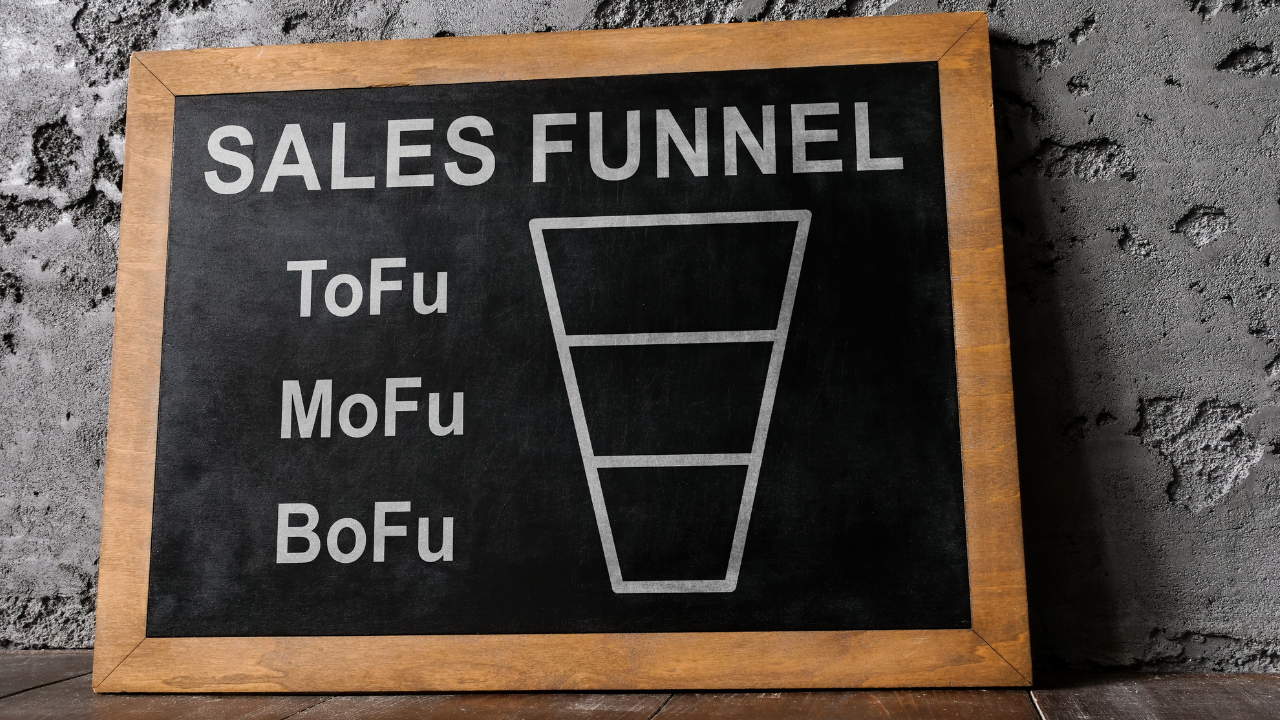
| MOF (Middle-of-Funnel) |
BOF (Bottom-of-Funnel) |
|---|---|
| Prospects compare options, proof-point questions — want clarity on ROI, features, use cases. | Making final decisions: pricing, case studies, demos, objections. AI answers ≫ credibility → conversions. |
Metric: % content aligned with top prospect questions.
Metric: Frequency of citations in AI answers/snippets.
Metric: Referral traffic/mentions from AI-sourced content.
Metric: Conversion rate from optimized MOF/BOF content.

- Writing “chatty” unstructured copy
- Ignoring BOF assets like pricing/objections
- Over-optimizing for AI, losing human readability
- Not measuring leads or sales impact
– Add FAQs and comparison tables to key pages.
– Implement FAQ/HowTo/Article schema.
– Make outcomes obvious: demos booked, deals closed.
Intent mapping: ROI, regulatory, training details.
Content:
- ROI FAQ with Charleston case studies
- Comparison guide: “Automation vs Semi-Automation”
- Pricing + service tiers page
Distribution: LinkedIn, local forums, newsletters
Optimization: A/B testimonial video vs text, track demo requests
Result: Not just in search—shows in AI-generated answers where decisions are made.
- Skills: Structured writing + schema literacy
- Budget: More to repurposing & amplification, less to pure link-building
- Metrics: Visibility & authority over raw clicks
- Is AEO replacing SEO?
- No. AEO builds on SEO. You still need quality content and clean architecture; AEO adds structure so AI can cite your answers.
- Where should we start?
- Start at MOF/BOF. Add FAQs, comparisons, and pricing clarity to pages that drive demos and deals.
- Which schema is most useful?
- FAQPage, HowTo, Product/Offer, and Article — depending on page type.
- How do we measure success?
- Track citations/mentions in AI answers and the conversion lift from optimized pages.

12 Days of Holiday Marketing Wins

-
1Reach Charleston Shoppers EverywhereMost buyers hit at least five online spots before buying — ambient shopping is in.Tip: Seed your ads and gift guides on Google, YouTube, and social feeds for local shoppers, especially those browsing Charleston hashtags and planning King Street visits.
-
2Surf the Trend TsunamiNiche trends explode overnight. Google’s AI tracks searches like “palmetto ornaments” and “oyster wreaths.”Tip: Set local search and social alerts to pivot fast. Highlight Charleston staples in your holiday imagery.
-
3Mix Culture, Creators & CommerceVideo isn’t optional — especially in Charleston where local creators thrive.Tip: Partner with a Holy City influencer for a YouTube holiday guide or festive reel. Make your products #CharlestonFamous.
-
4Offer Last-Minute SolutionsCharleston’s busy streets mean shoppers want quick options.Tip: Post daily stories with curbside pickup, local delivery, or “order by” dates to capture procrastinators.
-
5Bundle Holiday ExperiencesPeople search for location-based bundles (“Charleston Sweets Bundle”).Tip: Collaborate with nearby businesses — oyster bars, boutiques, bakers — for limited-time holiday packages.
-
6Spotlight Local Gift WisdomCharleston’s heritage is a gift.Tip: Share “Top 5 Charleston Gifts Under $50” in carousel posts/guides, mixing classics (pralines, prints) with trendy picks.
-
7Run a #HolyCityHoliday ContestUGC is huge — shoppers love sharing their Charleston moments.Tip: Launch a holiday photo contest with a local hashtag. Showcase winners in your feed and newsletter.
-
8Use Video Discovery TacticsThink Retail says YouTube drives reach and trust.Tip: Short videos demoing holiday products, featuring Charleston scenery, work best. Use “shoppable” links and clear calls to action.
-
9Promote Exclusive AI-Powered DealsPerformance Max + YouTube = higher ROAS, per Google.Tip: Run bundled holiday deals, preview them in stories and carousels, and use AI-driven ad tools to drive local discovery.
-
10Answer Charleston Shopper FAQsZero-click behavior means answers should appear in-feed.Tip: Share “5 Charleston Holiday Shopping Questions” (hours, parking, shipping cutoff) right in your post or story.
-
11Feature Local Holiday EventsTie your marketing to Charleston events (Parade, Waterfront Park lights, etc.).Tip: Create countdowns, show your products at events, or promote meetups in your content.
-
12Retarget & Win Back Post-Holiday ShoppersAfter Christmas, recapture interest for New Year or returns.Tip: Offer special January bundles, prompt reviews, and stay present in search and social feeds.
Loop Marketing

Loop Marketing: A Practical Framework for Charleston Businesses
Blend human authenticity with AI efficiency to grow faster in the Lowcountry.
Why this framework matters now
In today’s marketing landscape, algorithms shift, buyer behavior evolves, and competitors crowd every channel. For Charleston businesses—whether in manufacturing, professional services, hospitality, or tech—doing “more of the same” often means falling behind.
That’s where Loop Marketing comes in. More than a buzzword, it’s a practical four-stage system that blends human authenticity with AI efficiency to help companies adapt quickly and grow sustainably.

The Four Stages of Loop Marketing
Express → Tailor → Amplify → Evolve
| Stage | Description | Notes |
|---|---|---|
 Express |
Define who you are. Clarify brand identity, tone, and ideal customer profile. Provide your team (and AI tools) with a style guide so all content feels unmistakably yours. | Output: brand voice, ICP, one-page style guide. |
 Tailor |
Use CRM and behavioral data to personalize. Segment audiences by role, stage, or industry, and make messaging feel local and relevant. Always keep human oversight. | Output: segments, dynamic rules, QA checklist. |
 Amplify |
Push your message across multiple channels—newsletters, social, video, local publications. Repurpose and remarket so content lives in more than one place. | Output: channel plan, repost cadence, remarketing assets. |
 Evolve |
Measure results and iterate quickly. Use real-time feedback and analytics to refine campaigns, test variations, and double down on what works. | Output: KPI dashboard, test backlog, next-sprint changes. |
Why It Matters in Charleston
Charleston’s business scene has unique strengths and challenges. Loop Marketing is designed to meet both.
Local strengths
- Tight networks & reputation effects → authenticity wins.
- Diverse industries (from port logistics to healthcare) → segmentation is essential.
- Fast adoption of digital tools → early movers gain advantage.
Local challenges
- Smaller budgets and teams.
- Competition from national firms.
- Customers expect speed, personalization, and multi-channel presence.
How Charleston Businesses Can Get Started
Think in stages. Pick the one that fills your biggest gap first.
Express
- Interview top clients to uncover why they chose you.
- Collect reviews/voice recordings to define tone.
- Build a one-page style guide.
Tailor
- Audit your CRM: tag customers by industry, size, pain points.
- Compare local vs. non-local engagement.
- Create variants with local references.
Amplify
- Publish thought leadership in The Post and Courier.
- Repurpose blogs into LinkedIn or event talks.
- Partner with Charleston Chamber or trusted voices.
Evolve
- A/B test subject lines (local vs. generic).
- Track ROI by channel, not just likes.
- Ask new clients what messaging convinced them.
Pitfalls to Avoid & How to Measure Success
- Over-reliance on AI → tone mismatches or generic content.
- Over-segmentation → wastes resources.
- Chasing vanity metrics → focus on leads, conversions, retention.
- Neglecting iteration → campaigns stale without evolution.
Measuring Success
Align KPIs with each stage of the loop:
- Express → content creation speed, brand consistency.
- Tailor → engagement by segment, satisfaction scores.
- Amplify → conversions per channel, local share of voice.
- Evolve → experiment cadence, lower CAC, improved ROI.
How We’ve Been Using Loop Marketing – A Charleston Porch Talks Example
Positioned Porch Talks as intimate, high-quality conversations with national authors and thinkers—always through Charleston’s cultural lens. Messaging emphasized exclusivity (“limited seating”) and community connection.
Segmented audiences: longtime subscribers received early-access invites; local businesses saw sponsorship offers; broader readers saw cultural enrichment and community pride messaging.
Ran a looped distribution: newsletter feature → blog preview → LinkedIn for business audience → paid social → event recap. Sponsors extended reach via their own channels.
Tracked newsletter opens, ticket conversions by segment, and sponsor engagement. A/B tested subject lines (“Best-selling author Elin Hilderbrand live in Charleston” vs. “Inside the mind of The Perfect Couple’s creator”). Attendee feedback informed the next event.
Result: stronger ticket sales, more sponsor interest, and deeper reader loyalty—turning a single event into a multi-channel loop that kept working after the chairs were stacked.

What’s The Big Idea?
Loop Marketing isn’t a silver bullet, but it gives Charleston businesses a structured way to combine authentic local voice with modern efficiency. By cycling through Express, Tailor, Amplify, and Evolve, firms can strengthen presence, adapt faster than competitors, and turn marketing into a true growth engine.
Want to see Loop Marketing in action?
For insights, case studies, and frameworks tailored to Lowcountry businesses
The Rise of Zero-Click Search: 5 Actions You Can Take RIGHT NOW
The Rise of Zero-Click Search: 5 Actions You Can Take RIGHT NOW
Search engines and AI now answer before users click. Evolve your content to win visibility, authority, and demand—even without the click.
Why this matters now

Search engines and AI models act as the middleman. Users get answers earlier—often on the SERP.
You lose pageviews even when your content is used. Visibility ≠ clicks.
Own snippets and answer boxes to gain brand equity, trust, and demand—then earn the deeper click.
5 moves to dominate in a zero-click world
Answer Box
- Lead with a one-sentence answer.
- Use bullets, steps, short tables.
- Define terms at the top.
Schema
- FAQ for Q&A blocks.
- Article / HowTo / List schema.
- LocalBusiness: NAP (address, hours, services).
Voice
- Conversational phrasing (“how to fix leak near me”).
- Question H2/H3s; FAQs like natural speech.
- Local + intent (“…in Charleston”).
Deep Answer
- Give the snippet answer, then tease depth.
- Answer → Context → Example → Next steps.
- Anchor links keep detail onsite.
Monitor
- Track snippet/PAA queries in GSC, Ahrefs, SEMrush.
- List & refresh winning zero-click pages.
- Maintain a freshness cadence.
Key takeaway
Go deeper
Get the full zero-click & AEO tactics, structured data playbook, and snippet-winning templates.
Quick on-page layout
- Top: 1-sentence answer + definition
- Middle: bullets / table / steps
- Bottom: examples + next steps + anchors
📘 FAQ: Zero-Click Search & AEO
What is a zero-click search?
A query answered directly on the SERP—via featured snippets, knowledge panels, PAA boxes, or local packs—so no site click is needed.
How do you optimize for AEO?
Prioritize clarity, structure, and schema. Answer conversational questions, use lists/tables, and map content to user intent.
Will zero-click reduce my traffic?
Possibly at first—but brand visibility and trust rise. Tease deeper content and convert scanners into readers.
What content types win?
Short FAQs, “how-to” lists, definitions, comparison tables, and structured guides: snippet-ready up top, detail below.
Talk to Us
Important Dates
Calendar Intelligence
Don’t Miss the Money Moments
Sponsorship windows, promo deadlines, community events, and “can’t-miss” ad close dates—all in one page you can scan in 60 seconds.
Upcoming Dates & Deadlines
| Launch Date | Type | Campaign | Details | |
|---|---|---|---|---|
| Tuesday, April 14, 2026 | Event | Now Open | View Details → | |
| Monday, May 11, 2026 | Special Section | Lowcountry Parent Magazine – Mom’s Choice |
|
Get Rates → |
| Friday, May 1, 2026 | Event | Spring Book & Author Luncheon | Tickets/Sponsor → | |
| Sunday, May 24, 2026 | Special Section | Statewide Real Estate |
|
Get Rates → |
| Sunday, July 26, 2026 | Special Section | My Charleston |
|
Get Rates → |
| Monday, August 17, 2026 | Special Section | Lowcountry Parent Magazine – Back to School |
|
Get Rates → |
| Sunday, September 13, 2026 | Special Section | Charleston’s Choice Results |
|
Get Rates → |
Times shown in Eastern Time (ET). Dates and distribution details subject to change.
Lock Your Placement
Want these on your calendar with reminders and holds? We’ll wire a mini plan and set up alerts for booking and production deadlines.
Contests = Conversion
Contests for Charleston Brands
Boost Brand Visibility with Contests
Contests aren’t just giveaways—they’re engines for lead generation, opt-ins, and revenue. The trick is picking the right format and prize to match your audience.
Fast Path to Participation
Three Contest Formats That Deliver in Charleston

Sweepstakes for Reach
Burn Bootcamp’s “Free Workouts for a Year” giveaway pulled in qualified leads from people already interested in fitness.

Seasonal Series for Momentum
Mother’s Day sweepstakes with local sponsors (bakery, jewelry, furniture, orchestra) drove 3,000+ entries and nearly $6,000 in revenue.

Photo Contests for Engagement
“Show Us Your Game Face” sparked fan submissions, community sharing, and $19,000 in sponsorship revenue.
Case Flashes

Hoops Frenzy
- 1,000+ entries
- 700 sponsor opt-ins
- $5,000 revenue

Hurricane Prep Package
- 1,000 entries
- 400 sponsor opt-ins
- Public-service tie-in boosted goodwill
Ready to Launch a Contest That Converts?
Want to see how Charleston brands turn contests into consistent revenue? We’ll help you match format + prize to your audience and wire it for lead capture.
Contest FAQs
What prizes perform best?
Transformational experiences (year-long memberships, tuition support, major event tickets) consistently drive higher participation.
How do we maximize sponsor value?
Align the prize with sponsor outcomes, add opt-in checkboxes, and report on leads, entries, and engagement—not just impressions.
How often should we run contests?
Anchor to the local calendar (sports, storms, holidays). Run seasonal series for momentum and predictable revenue.
Do photo contests still work?
Yes—UGC fuels sharing and sponsor exposure when moderated well with clear terms and a simple vote/entry flow.

Elevating Your Brand: A Guide to Personalizing Content for Your Unique Audience
